
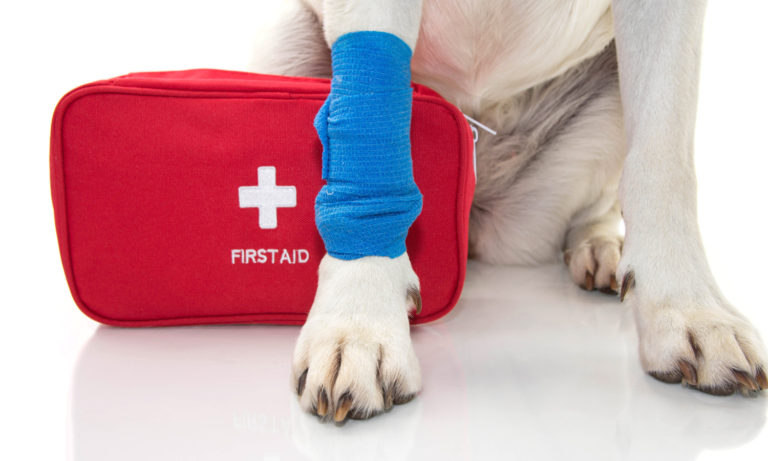
Be Ready, Stay Calm: Handling Medical Problems at Your Facility
Most serious medical incidents are preventable with clear preparation and a practiced response. Focus on having the right resources and processes in place—adapted to whatever your facility’s rules and systems are—so staff can act fast and confidently when minutes matter.
Why planning matters
Medical incidents escalate quickly. Heat stress, allergic reactions, severe vomiting or diarrhea, and traumatic injuries require rapid assessment and a clear path to care. Having a plan and the right basic resources reduces risk and improves outcomes.
Good things to have at your facility
These are examples of resources and processes that help in emergencies; implement them in the way that fits your facility’s rules and systems.
- Clear escalation path to a vet or clinic. Know who you call after hours and how long it takes to get a dog to care. Keep contact info accessible in your booking app, on a laminated card, and in the staff area.
- Basic first aid and CPR training for staff. At least a few people per shift should be trained and comfortable with basic stabilization steps.
- Reliable owner contact and medical history access. Ensure intake records or your booking system store emergency contacts and medication lists that staff can access quickly.
- Climate control and monitoring. For heat risk, have shaded areas, fans, and a plan to move dogs immediately if temperatures rise.
- Medication logs and secure storage. If you administer meds, use a double‑check system and a clear log that matches your facility’s intake rules.
Immediate response mindset
When an incident occurs, follow a simple, consistent approach that fits your Standard Operating Procedures (SOPs):
- Assess safety: Is the scene safe for staff and the dog? Remove other dogs if needed.
- Stabilize: Check breathing and bleeding; apply basic first aid if trained. Use muzzles or blankets for safety when appropriate.
- Escalate: Follow your facility’s escalation path—call the on‑call vet or transport plan. Use the contact method your facility prefers (phone, app, or radio).
- Notify owner and manager: Use your facility’s notification practice for timing and content.
- Document: Log the incident in your incident system or paper log per your facility’s rules.
Emphasize speed and clarity over perfect procedure; the exact steps should match your SOPs and local veterinary relationships.
Prevention systems
- Intake verification: Confirm meds, allergies, and recent health changes at check‑in using your intake form or booking notes.
- Medication protocols: Use labeled containers, double‑checks, and a log that fits your workflow.
- Monthly drills: Run short scenario drills so staff practice the escalation path and documentation process.
- Vendor relationships: Maintain a current list of nearby vets and emergency clinics and review transport times periodically.
Communication and follow‑up
- Owner updates: Decide how and when owners will be notified and who is responsible for follow‑up. Use the communication channel your facility prefers (call, text, or app).
- Internal review: After any incident, run a short internal review to see what worked and what to change. Update your facility’s SOPs accordingly.
Final thought
You don’t need the same exact tools as every other facility—what matters is that you have the right resources and a practiced process that align with your facility’s rules and systems. Make sure staff know the escalation path, can access owner and medical info quickly, and practice the response regularly. Those preparations turn potential disasters into manageable incidents.
Check out the webinar DHA did with Madison Warner from Ready Pet Education!
Copyright © Dog Handler Academy. All rights reserved. | Terms & Conditions | Privacy Policy